We all enjoy the effect that a good tree (or several) can add to a garden, bringing shade, privacy, beauty, and even a little value to your garden. However, trees can become problematic over time, especially if their health is affected, and, over time, they might be doing more harm than good to your garden. Here, we’re going to look at some of the unexpected side effects of having trees in your garden, as well as some of the solutions that you might want to consider, as well.
The Roots Are Causing Damage
One of the clearest signs that a garden tree is becoming a problem is visible root damage. Tree roots naturally spread in search of water and nutrients, but when they grow too close to paths, patios, fences, drains, or foundations, they can cause all kinds of issues. Roots are strong enough as they grow over time to lift slabs and concrete, to crack hardscaping, and to cause structural movement under the ground, which can cause visible damage over time. Roots can even go as far as reaching the pipes underground around your home, which can cause all manner of expensive plumbing problems if not treated, or they can affect the very foundation of the home. Installing root barriers can help to prevent such issues, but in cases where it’s too late for prevention, removal might be the safest long-term solution.
Your Garden Isn’t Getting Enough Sunlight
While the shade added by trees can often be one of the big benefits they offer, especially for those looking to lounge in comfort on those warm, sunny days, that shade can become an issue if there’s too much of it or if it’s covering the plants that you’re trying to grow. Not getting enough sunlight to your garden is one of the easiest ways to kill it, so you need to make sure that your trees aren’t posing a problem. Often, this can be resolved by choosing other locations to place your plants or trimming your tree branches, but you may always have some space in your garden that isn’t suitable for growing, as long as your tree is nearby.
Large Branches Cause A Falling Hazard
Branches can break off trees when they’re overly stressed, such as becoming too heavy or being affected by weather like very strong winds. However, if those branches are falling already without those issues, or hanging precariously, it could be a major issue. Dead, cracked, or hanging limbs can fall during wind, rain, or even without warning, putting people, pets, sheds, greenhouses, fences, and nearby buildings at risk. You may notice branches with no leaves, peeling bark, splits, or fungal growth. Pruning those branches to reduce the weight may help solve the issue, but repeated branch failure shouldn’t be ignored and might need a more thorough approach.
The Tree Is Attracting Pests
Trees often provide a home for local wildlife, but when they’re sick or decaying, they can become a hotspot for pests. Insects such as beetles, ants, termites, aphids, and borers may be drawn to weakened wood, sap, or rotting bark. Once established, pests can spread to nearby plants, hedges, timber structures, or even your home. If you see small holes in the trunk, sawdust-like material gathering around the tree, heavy leaf damage, or just increased insect activity around the tree, then you have a pest problem on your hands. Some pest issues can be treated if caught early, but a heavily infested tree may continue to decline and create a wider garden problem.
The Tree Looks Diseased Or Decayed
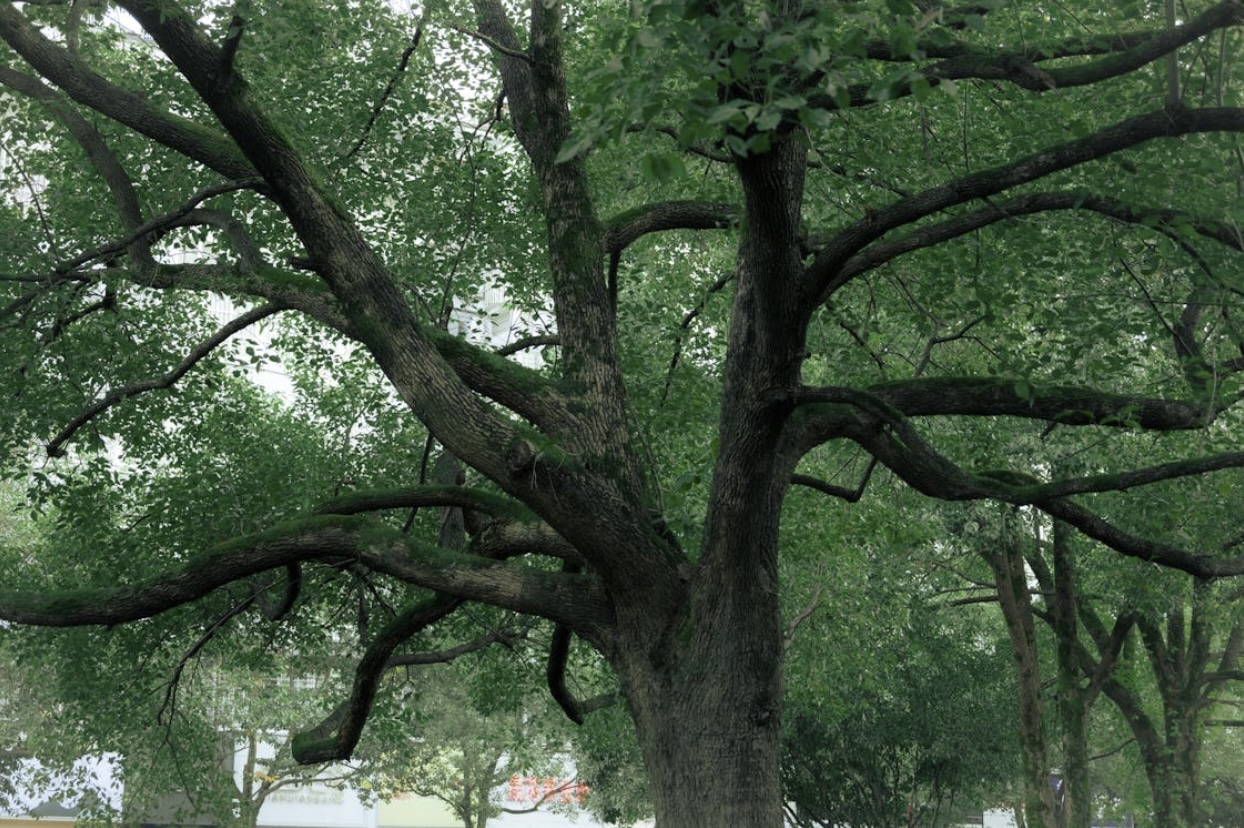
A sudden increase in pest activity is just one sign that the health of your tree may not be what it used to be, but there are other warning signs you should pay attention to, such as fungal growth, hollow or soft areas, peeling bark, dead branches, discolored leaves, and cracks in the trunk. Disease can weaken the tree from the inside, making it more likely to drop branches or fall. It can also spread to other trees and plants nearby. While some diseases can be treated and cured, if the decay is advanced or is causing the tree to become structurally unsafe, then tree removal might be the most responsible option. Sometimes, you have to cut the disease out early to stop it from spreading to the rest of your garden.
It’s Making Drainage Worse
If the drainage in your garden and around your home is getting worse over time, and water is pooling on the ground’s surface, it can be caused by a few different things. Alongside soil that has become compacted over time, increasing root density and drying out soil due to root growth are common problems. This makes it harder for the soil to absorb water properly, which can then affect the plants trying to grow in it. You can take steps to improve drainage in the soil, such as aerating it or installing drainage systems throughout, but you may need to consider taking steps to stop root growth from being such a persistent problem as well.
Nearby Plants Are Struggling To Grow
We’ve already covered a few reasons why trees can be more problematic for nearby plants than you might think. It can block sunlight from reaching them, it can cause the soil to become dry and compacted, and it can even stop water from reaching them if its canopy grows too wide. The truth is that large trees often dominate the soil around them, leaving nearby shrubs, flowers, grass, and vegetables with very little to survive on. You may notice patchy lawns, weak plant growth, dry soil, or flowerbeds that never seem to establish properly. Gardeners always have to assess their priorities, whether it’s having a strong, healthy tree or if they want more usable plant space.
When you have trees in your garden, then they have to be monitored carefully to ensure that they’re not causing any problems for the garden or for the home itself. With the tips above, you can give them the care that they need.